How to sharpen a knife on a whetstone: a step-by-step guide for beginners
A beginner’s guide to whetstone sharpening: choosing a stone, holding a 15° angle, sharpening both sides and testing the edge.
Read moreFollow the smith from lighting the forge at dawn to sharpening the day’s last knife.
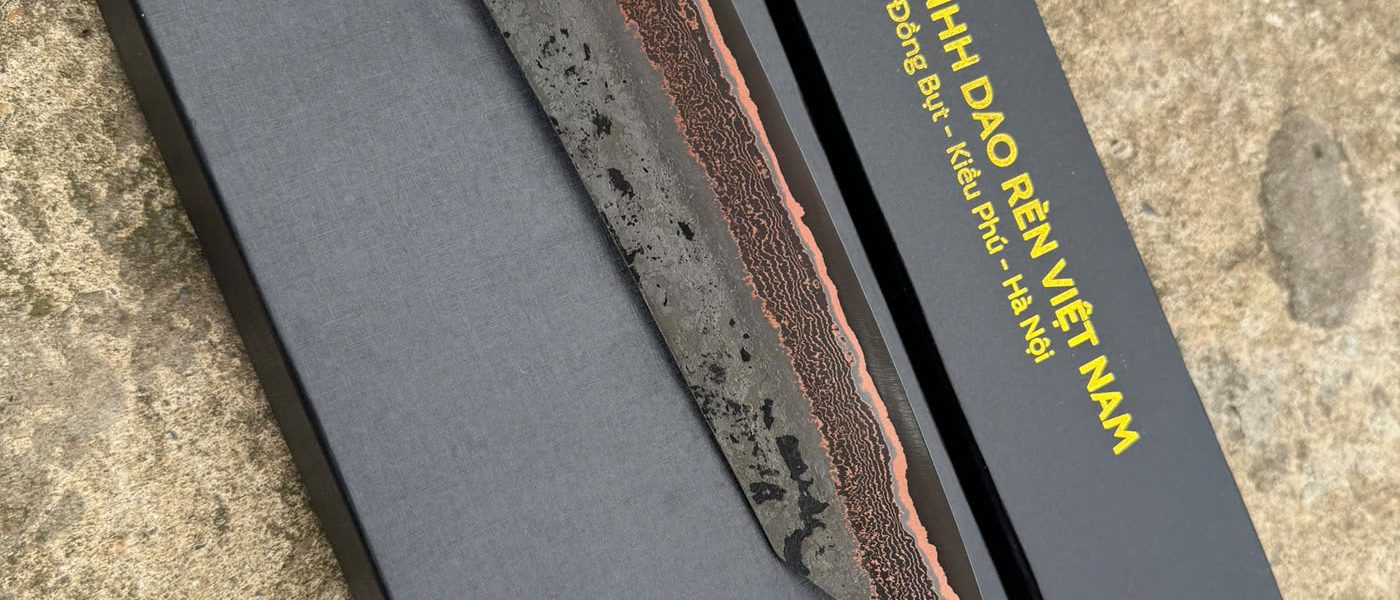
The forge is lit at six in the morning. By the time the first sun reaches the yard, the charcoal is glowing and the bellows are already working.
The steel billet is heated to an orange-red — the smith needs no thermometer, only the colour of the steel. Each hammer blow shapes the blade, spine and tip. A Japanese-style knife takes about 40 minutes of continuous forging.
The blade is reheated, quenched in oil to harden, then tempered twice to reduce brittleness. This is the stage that decides whether a knife stays sharp or chips.
Once cool, the blade is sharpened through five grits of water stone, about four hours. The wooden handle is dried, cut to the steel tang and fixed with adhesive and pins.
Every knife carries a card naming the smith, the heat-treater and the sharpener. We believe a good knife always has people behind it.
Keep reading
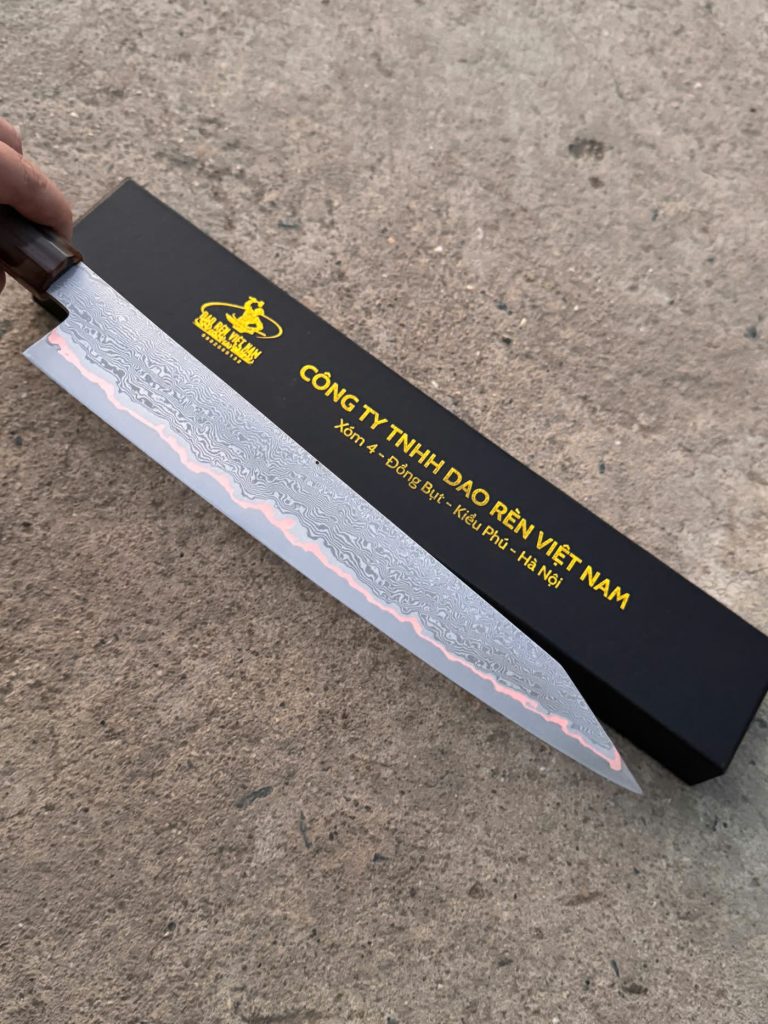
A beginner’s guide to whetstone sharpening: choosing a stone, holding a 15° angle, sharpening both sides and testing the edge.
Read more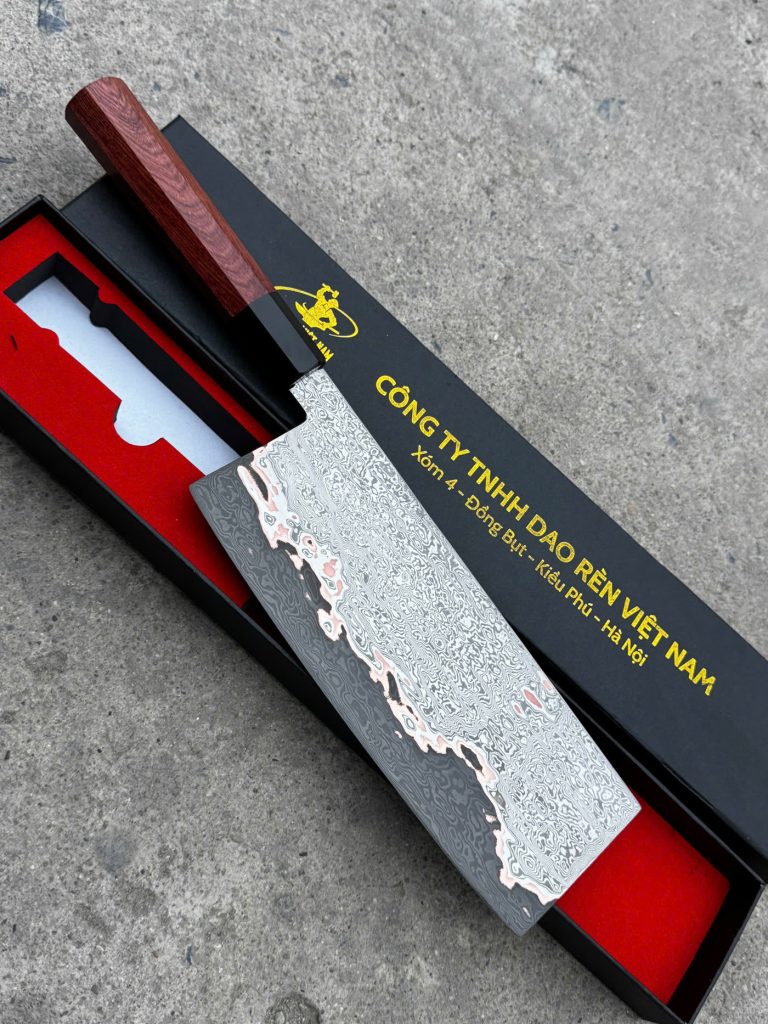
Carbon steel is razor sharp but prone to rust. Five simple habits keep your knife handsome and sharp for years.
Read moreFrom forge to kitchen
Free engraving, nationwide shipping, lifetime sharpening warranty.